As long as some bloggers continue to engineer hoaxes through their blogs, real credibility cannot be established in the blogosphere. Blogs have great potential as a new channel for information delivery, but the actions of a few bloggers who have posted false information on purpose have detracted from the benefits that blogs bring to readers as a whole. Blogs like the Kaycee Nicole Swenson diary, in which a woman authored a blog as if she was a fictitious young girl dying of leukemia (see
this article), may be quite popular, but their overall effect is harmful to the blogosphere for several reasons:
- Hoaxes can have serious consequences. In the case of Kaycee Nicole, some individuals had sent money and gifts to the girl who they believed was dying. Hoaxes like this one reveal the extent to which people are willing to believe what they read in blogs. It is quite clear that taking advantage of people in this manner is amoral; because blogs, and the internet in general, make it easy to trick people, we must be more vigilant in order to avoid causing regret, shame, or worse for those who have been fooled.
- Hoaxes could turn people off to blogs. Blog readership is growing every day, and this means that there are tons of people out there who are still adjusting to the medium and questioning its validity. If these new users are fooled by a hoax at the outset, it may cause them to lose faith in all blogs. Even if standards are set in the future to establish the credibility of blogs, having a bad experience at first may turn some readers off completely. Despite the fact that most blogs are genuine, the actions of a few malicious bloggers can have far-reaching effects while blogging remains in its nascent phase.
- Hoaxes hurt the credibility of real blogs.
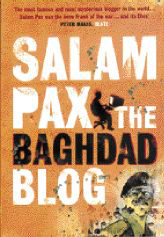 Although only a small number of bloggers have tried to fool people with their posts, the very phenomenon of blogger hoaxes causes readers to call other blogs into question. A prime example of this was the Where is Raed ? blog written by Salam Pax during the Iraq war. Salam was a real person reporting what he saw and felt, but he could not reveal his identity for safety reasons. His blog became wildly popular, but throughout its entire life on the web people were forced to speculate about whether or not it was a hoax. If we could have more faith that all blogs are basically credible, then people could enjoy blogs like Salam's even when the authors must remain anonymous. When newspaper reporters quote anonymous sources, we usually take their statements as fact, and it would be nice if the blogosphere could be no different.
If we want to realize the full potential of blogs as a new information medium, we must first find a way to eliminate hoaxes and false information. Although these kinds of blogs form only a small portion of the entire blogosphere, they have a large influence on how people perceive blogs in general.
Posted by John Nol at 9:02 PM | 1 comment

I think we can all agree that malicious bloggers do little to contribute to the advancement of blogging as a useful tool. However, the fact that hoaxes are popular at all indicates a certain thirst for excitement among blog readers. I believe that bloggers pay attention to sites like Kaycee Nicole's because they are bored with mainstream media; at least blogs offer some emotional or entertainment value, even if they are not always true. In the case of Salam Pax, his wit, sarcasm, and story-telling ability probably appealed to readers more so than the fact that he seemed to actually be witnessing the war first-hand. False information in blogs is certainly damaging to readers and real blogs alike, but we should realize that the popularity of some blogs, whether they are real or fake, tells us a lot about what is missing in the media today.
Posted by Rhea D'mee at 9:32 PM, Wednesday, June 2, 2004