Model systems for development
Computational predictions made stronger with in vitro evidence are validated in the nervous system of the developing mouse.
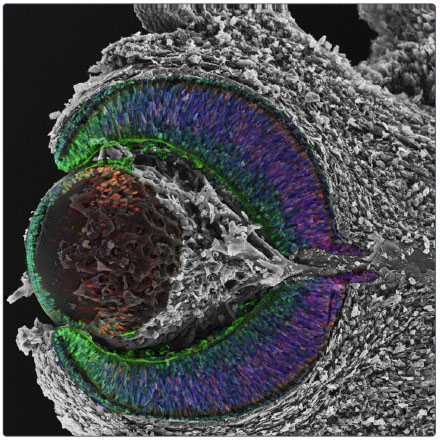
Neural Development of the Mouse
A major goal of my research is to determine which transcription factors are required for a neuron to cleanly adopt one cell fate over another. Working in different organs of the central nervous system, including the retina and cortex, I have discovered networks of transcription factors involved in specifying cell fate during development. I use a variety of techniques to investigate the roles transcription factors play in specifying different aspects of neuron identity. These include conditional knockout models in the mouse, immunohistochemistry, fluorescent in situ hybridization, retrograde and anterograde neuronal tracing, and in utero electroporation of nucleic acids into the developing cortex.
Related papers:
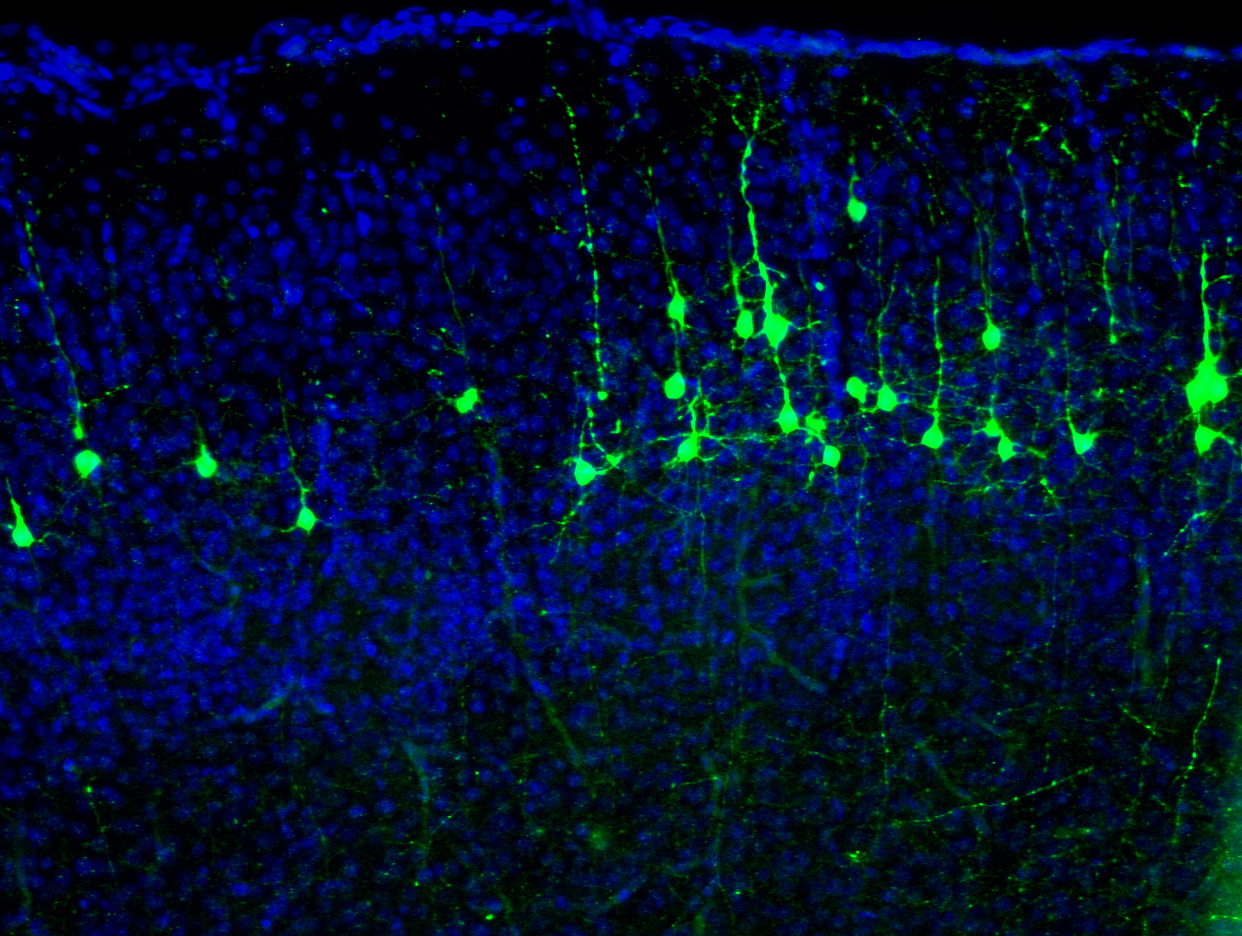
In Utero Electroporation
Introduction of nucleic acids into a living embryo is a powerful tool for tracing lineages of tissue development, modulating levels of gene expression, and editing sequences of DNA. Shown above is green fluorescent protein (GFP) driven by the Cdk5r promoter marking upper layer cortico-cortical neurons in the postnatal cortex. A plasmid containing the Cdk5r-GFP construct was electroporated into the developing mouse cortex on embryonic day 15.
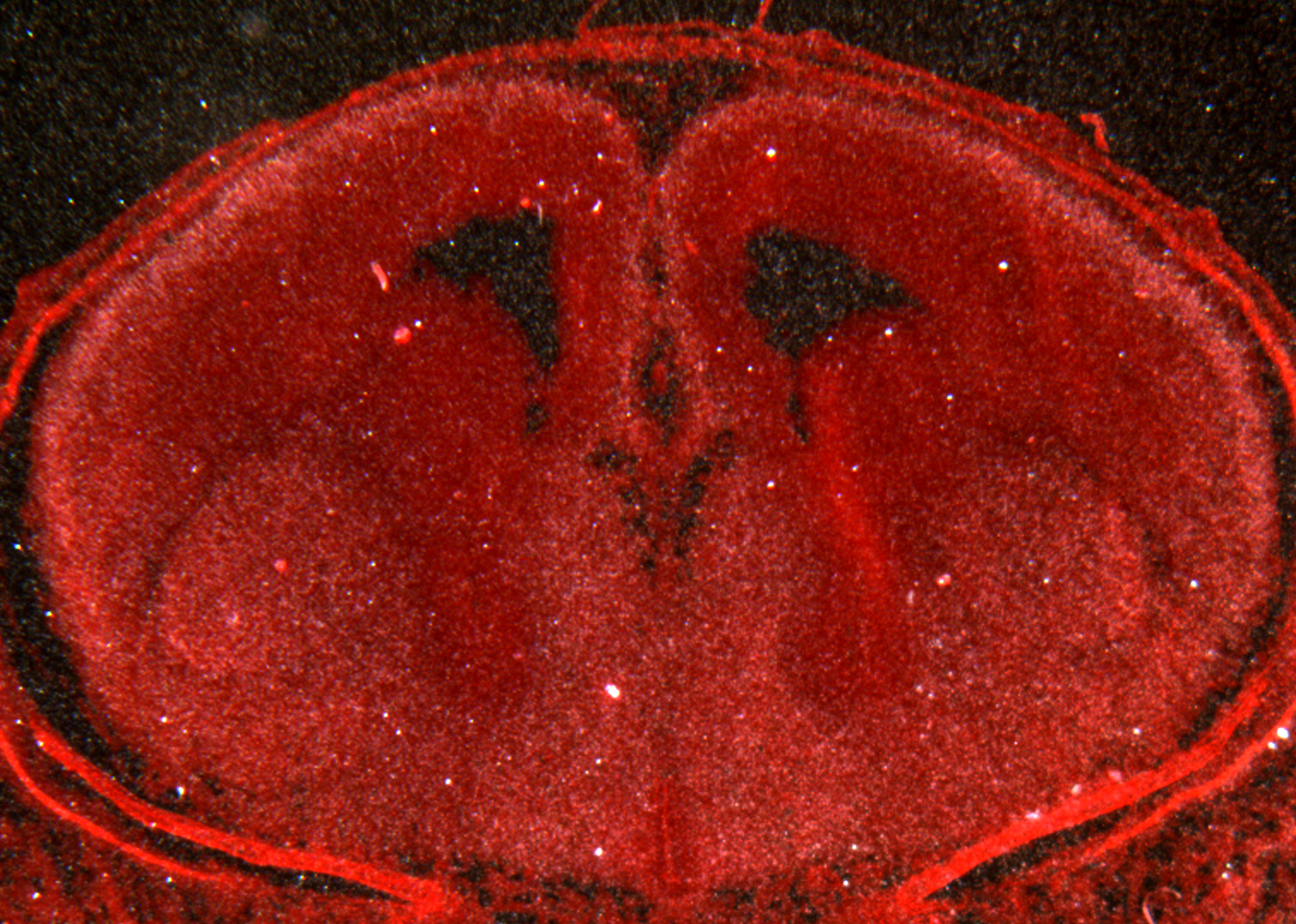
In Situ Hybridization
In situ hybridization uses labeled single-stranded RNA probes to detect when and where specific transcripts are expressed. Shown above is a radio-labeled probe to Grin2b, a gene associated with Autism Spectrum Disorder expressed in the mouse cortex on embryonic day 15.