Naive Predictions from Informed Experiments
Finding meaning in next generation sequencing data.
A Computational Framework for Predicting Regulatory Networks
Next-generation sequencing is easier, cheaper, and more widely available than ever before. But finding meaning in the data is a challenge.
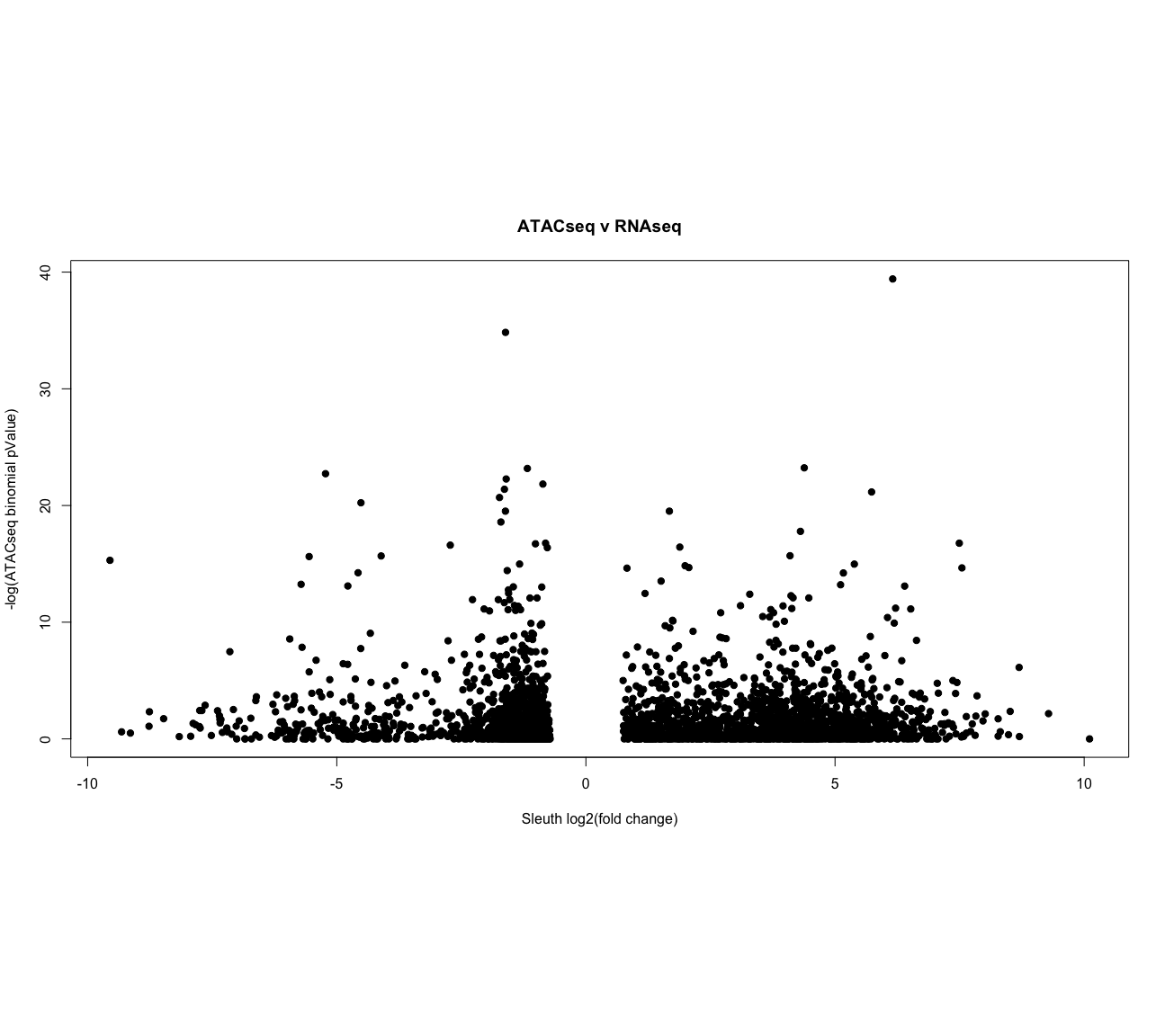
I am developing a computational framework to find meaning in strategically designed sequencing experiments. Specifically, I have established a computational pipeline for predicting transcriptional networks involved in determining cell identity that uses next-generation sequencing of RNA transcripts (RNAseq) and accessible chromatin (ATACseq).
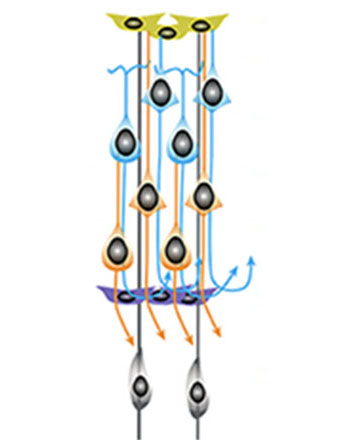
My current model is cortical development: The cortex consists of two broadly defined populations of excitatory projection neurons--"upper layer" neurons and "deep layer" neurons--that arise from the same pool of neural stem cells. My research seeks to discover the networks of genes and regulatory elements, including enhancers and repressors, that determine whether a neural stem cell will become "upper layer" or "deep layer."
Genetic variants associated with disorders of cognitive development, including Autism Spectrum Disorder (ASD), schizophrenia, and intellectual disability, are many. Too many to test individually, and most go undefined, because they fall in regions of the genome that do not code for protein and are therefore unannotated. Screening for variants that fall in or near regulatory elements that I predict to be functional will help narrow down lists of genetic variants to something more tenable in a laboratory and clinical setting.
Example paper:
Disease variants and regulatory networks
My research has implications for discovering disease pathology of genetic cognitive disorders. We recently showed that Tbr1, a major regulator of deep layer cell fate, binds regulatory elements of high-confidence Autism Spectrum Disorder (ASD) genes. In the Tbr1-knockout cortex, many of these genes were disrupted in deep layer neurons.
Next-generation sequencing of purified neuron subtypes
The cohorts of genes and regulatory elements necessary to specify an upper layer neuron (blue, above) from a deep layer neuron (orange, above) are still unknown. My work predicts which genes and genomic elements are involved using computational analysis of RNAseq and ATACseq data generated from purified populations of these cells.