Interests
My research interests are in machine learning and continuous optimization. I am particularly interested in using tools from convex optimization to analyze non-convex machine learning models, like deep neural networks. Currently, I am trying to understand the structure of optimal solutions to neural network training problems and their sensitivity to optimization and model hyper-parameters. The long-term goal of this research is to find better algorithms for hyper-parameter tuning and to prove theoretical guarantees for these methods.
I am also interested in developing new analyses for iterative optimization methods, such as SGD. My work here focuses on removing unrealistic assumptions and proving new bounds that capture the behavior of solvers at run-time. Sometimes these bounds are much tighter than standard approaches and/or offer a novel way to compare algorithms.
In a previous life, I worked on Bayesian neural networks and I remain interested in optimization-based methods for scalable Bayesian inference. Gaussian processes were my first introduction to machine learning and I still find this model class fascinating.
Education
I received my bachelor’s degree in computer science from UBC in 2018. During my batchelor’s, I worked with David Poole and Giuseppe Carenini on preference elicitation. We built Web ValueCharts, a visualization system for multi-criteria decision making. See the code here.
I completed my master's at UBC in 2020, where I was fortunate to be supervised by Mark Schmidt. My master's research was on first-order optimization under interpolation conditions. My main contribution was to parameter-free stochastic optimization using a stochastic Armjio line-search.
I completed my PhD at Stanford in 2026 under the supervision of Mert Pilanci. My PhD research developed convex reformulations for neural networks and leveraged these representations to understand the structure of ReLU nets. The highlight of this work is an exact characterization of all optimal (as well as stationary) points that can occur when training a two-layer ReLU network.
I did several internships during my master's and PhD. In 2018, I spent six months at RIKEN AIP in Tokyo working with Emtiyaz Khan on Bayesian neural networks. In 2019, I worked with Cédric Archambeau and Matthias Seeger at Amazon Berlin. In 2023, I was a summer intern at the Flatiron Institute in New York City, where I worked with Robert Gower and Alberto Bietti on local analyses for gradient descent and on level set teleportation. In 2024, I joined Inria Paris for six months as a visiting student hosted by Francis Bach. Most recently, I was a research intern at The Voleon Group in 2025.
Service
I review for NeurIPS, ICML, ICLR, AISTATS, TMLR, and OPT-ML. I also review for JMLR, SIMODS, and other journals when requested. You can look at my Orcid and OpenReview profiles for additional information. At Stanford, I volunteered for the Student-Applicant Support Program (SASP), the CS Undergraduate Mentorship Program, and was a mentor for SERIO.
Outside of Work
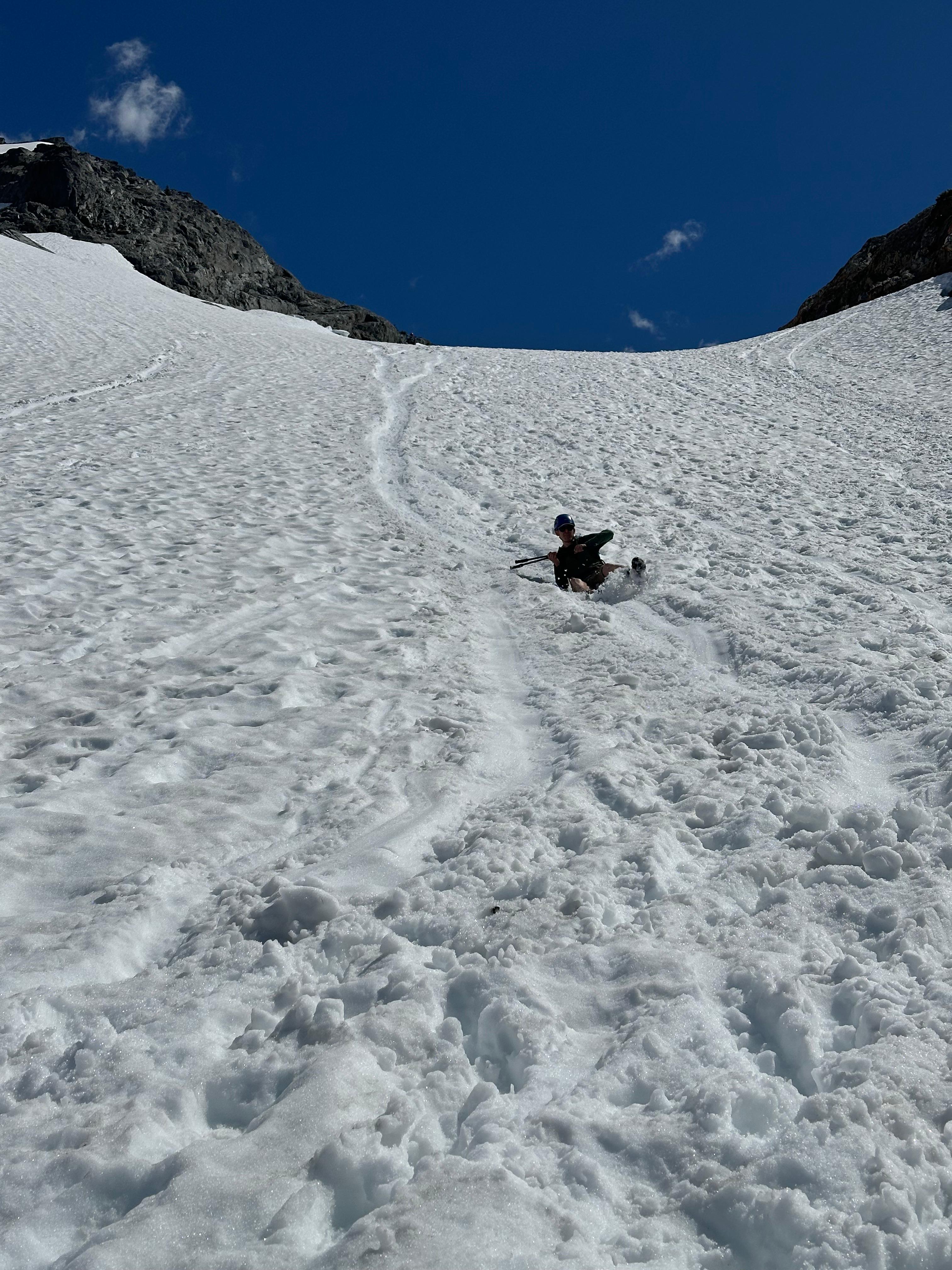
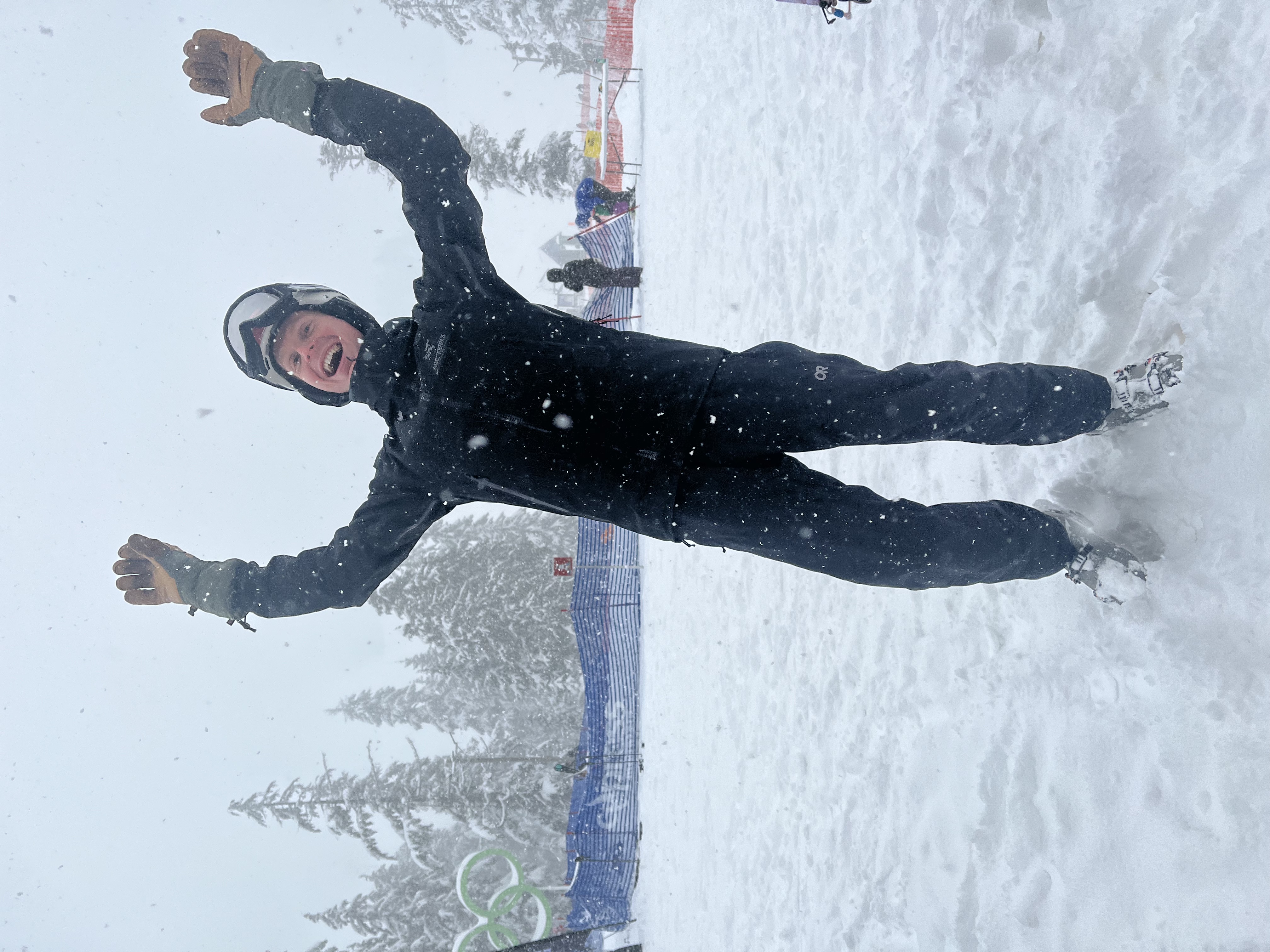
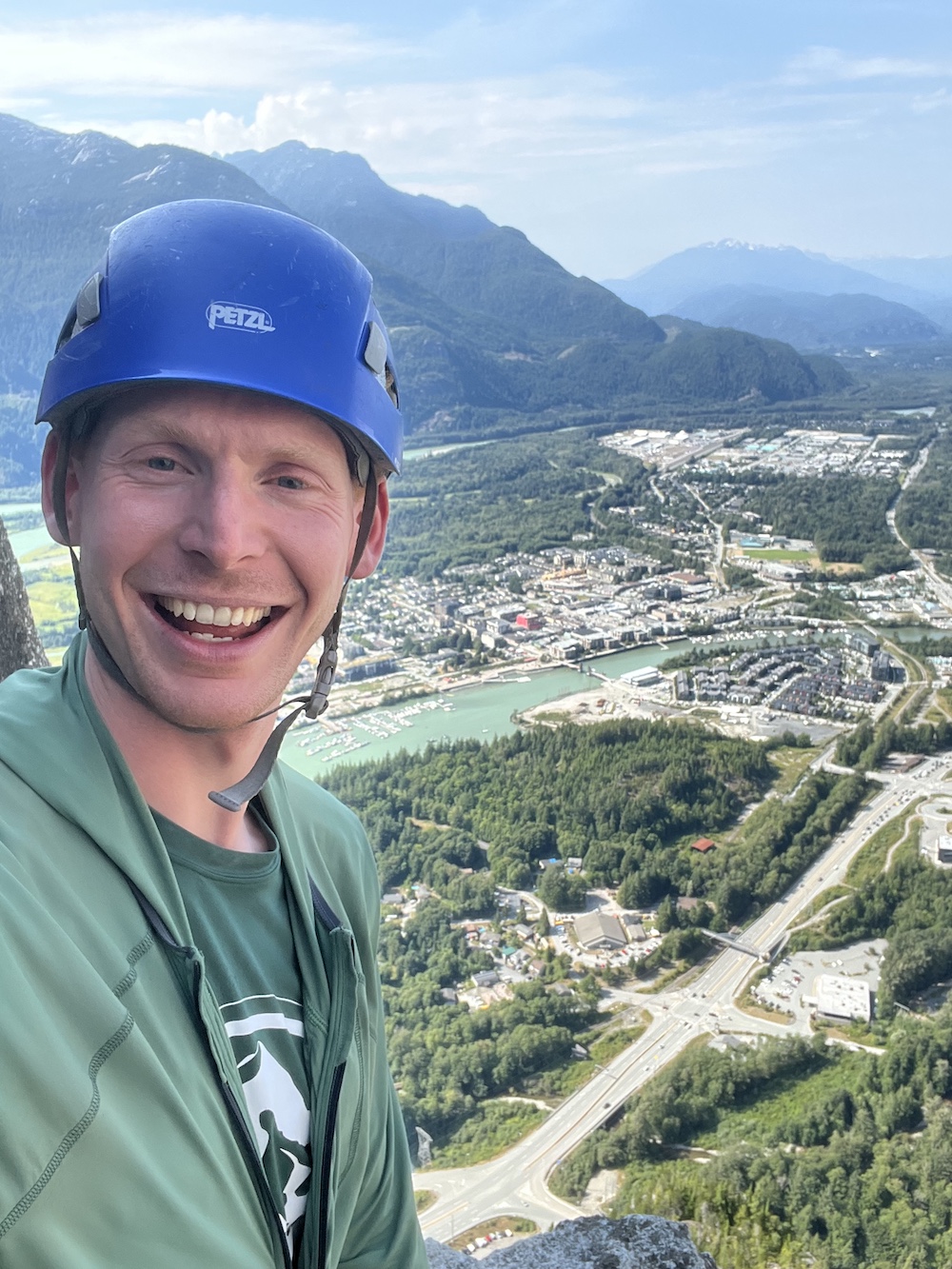
I can often be found climbing, hiking, and skiing. I'm on Mountain Project and sometimes I post trip reports to Peak Bagger.